Biohazard-origin odor at a Denver property isn't a ventilation problem — it's a volatile organic compound problem embedded in porous structural materials and HVAC systems. Air fresheners, ozone shock, and spray neutralizers mask odor temporarily and fail completely once treatment ends. Crime Scene Cleaner Online begins every biohazard odor job with source identification, treats the origin rather than the perception, and uses hydroxyl generator technology to neutralize volatile organic compounds at the molecular level — permanently.
📞 Call +1-844-401-0166 — Source First ProtocolBiohazard odor from decomposition, trauma, sewage, or hoarding at a Denver property isn't removed by spraying something — it's removed by identifying and treating the VOC source. These four standards define how we approach every job.
Spray-and-hope isn't a protocol. Our Denver odor specialists systematically locate the VOC source — whether it's residual biological material in a subfloor cavity, contaminated HVAC insulation, or volatile compounds embedded in drywall — before any treatment begins.
Hydroxyl generators produce hydroxyl radicals — the same molecules the atmosphere uses to break down volatile compounds — that chemically neutralize odor-causing VOCs at the molecular level. Unlike ozone, hydroxyl treatment doesn't produce a secondary chemical odor, doesn't require property evacuation, and doesn't damage electronics or fabrics at Denver properties.
Biohazard odor compounds from decomposition, sewage, and hoarding events enter HVAC systems and deposit throughout the duct network at Denver properties. Surface treatment that ignores HVAC produces odor return when the system runs — because the ductwork is still releasing VOCs into every room.
Every Denver odor removal job closes with a documented scope and a service guarantee: if the identified odor returns within the guarantee period, we return and extend treatment at no additional charge. The guarantee is backed by a documented source identification record — so there's an objective basis for any return visit.
Different biohazard odor types at Denver properties have different VOC profiles, different penetration depths, and different treatment approaches. We address each category with the specific protocol it requires.
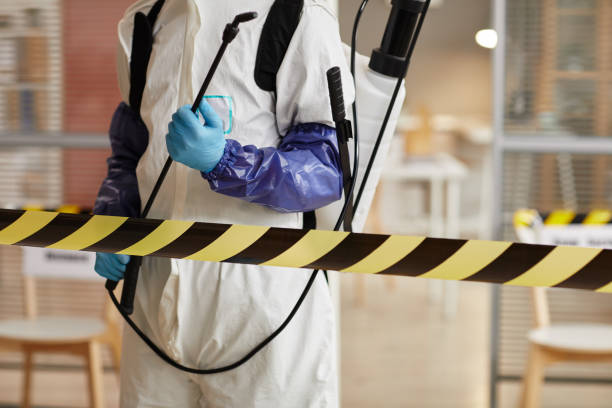
Decomposition odor at a Denver property requires source identification first — residual biological material in subfloor areas or wall cavities continues releasing VOCs until the source is removed. After source treatment, hydroxyl generators neutralize the VOCs that have already penetrated surrounding structural materials.
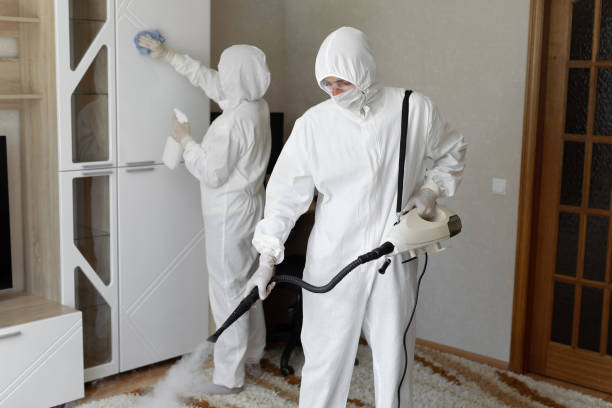
Trauma events at Denver properties produce blood-origin volatile organic compounds — particularly when biological fluid penetrates flooring layers and drywall. Our odor treatment for trauma scenes follows the physical decontamination: hydroxyl generators run in affected areas to address VOCs embedded in HVAC and porous building materials after surface cleanup is complete.
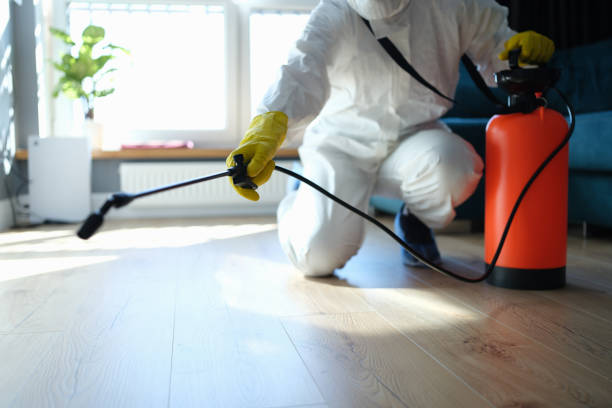
Category 3 sewage events at Denver properties produce hydrogen sulfide and mercaptan compounds that penetrate wall cavities and HVAC ductwork. After Category 3 extraction and antimicrobial treatment, residual sewage odor from embedded VOCs requires hydroxyl treatment to resolve — ventilation and surface cleaning won't address compounds inside duct systems and wall cavities.
Hoarding odor at a Denver property is often the most complex odor remediation scenario — multiple VOC sources, deep penetration into porous materials throughout the structure, and HVAC systems that have distributed odor compounds to every room. Our sequenced hydroxyl generator deployment addresses rooms in priority order while HVAC treatment removes the distribution mechanism.
Mold-origin musty odor at Denver properties is produced by microbial volatile organic compounds (MVOCs) released by active mold growth — and those compounds persist in building materials even after mold remediation is complete. Hydroxyl treatment neutralizes residual MVOCs, while source identification confirms whether active mold growth requires additional remediation.
Ozone shock treatment is an alternative to hydroxyl generation for certain Denver odor scenarios — particularly when rapid vacancy treatment is needed and occupant or electronics safety isn't a concern. Ozone at high concentrations neutralizes odor compounds rapidly but requires complete evacuation of people, pets, and electronics during treatment. We assess which technology fits the specific scenario at your Denver property.
Find the source, address the source, neutralize embedded VOCs, verify elimination. Every Denver biohazard odor job follows this sequence — not spray, hope, and bill.
Call +1-844-401-0166. Our coordinator classifies the odor type at intake — decomposition, sewage, trauma, hoarding, mold — which determines the equipment and treatment approach dispatched to your Denver property. Different VOC profiles require different treatment sequences.
Systematic source investigation at your Denver property includes access to subfloor areas, wall cavity inspection where odor mapping indicates penetration, and HVAC system assessment. The source identification report drives the written flat-rate estimate — scope is built from what we find, not from generic odor type assumptions.
Source treatment addresses physical residual material where identified — residual biological material, contaminated HVAC insulation, embedded organic waste. Hydroxyl generators then run in affected areas to neutralize VOCs embedded in surrounding structural materials. HVAC treatment is applied where indicated by source assessment at your Denver property.
Odor elimination at your Denver property is verified before job closeout. Your documentation includes the source identification record, treatment protocol applied, hydroxyl generator run logs, and service guarantee terms. If the documented odor returns within the guarantee period, we return at no charge.
"The decomposition odor was coming from the HVAC duct system — Crime Scene Cleaner Online identified that during source inspection while two previous services had focused entirely on the visible surface area. After duct treatment and hydroxyl generator run in all three affected rooms, the odor was eliminated. They found what the others missed."
Diane F. — Denver, NC"The sewage odor in our rental unit had persisted for weeks after the water extraction company finished. Crime Scene Cleaner Online identified that the HVAC return duct had been directly affected during the backup event and was continuing to release hydrogen sulfide compounds every time the system ran. HVAC treatment plus hydroxyl generators — odor gone completely."
Property Manager, Denver — Denver, NC"The hoarding odor in my mother's house had been there for years. I expected it was permanent. Crime Scene Cleaner Online ran hydroxyl generators in phases across all eight rooms while treating the HVAC system simultaneously. Three days later, the smell was completely gone. The property sold for full asking price within two weeks of treatment. I didn't think that outcome was possible."
A. Okafor — Denver, NCOur biohazard odor removal service covers Denver and every surrounding community in NC. Residential homes, rental properties, commercial facilities — same source-first protocol, same hydroxyl generator technology, same service guarantee across all property types in Denver, NC.
Persistent biohazard odor at a Denver property won't resolve on its own. Call +1-844-401-0166 and describe the odor type. Our coordinator classifies the VOC source and dispatches the right equipment for your specific scenario.
📞 Call +1-844-401-0166 — Source Identification Begins Here